Dr. Shannon Bennett / Published: 07.27.2026 / Last Reviewed: 07.27.2026
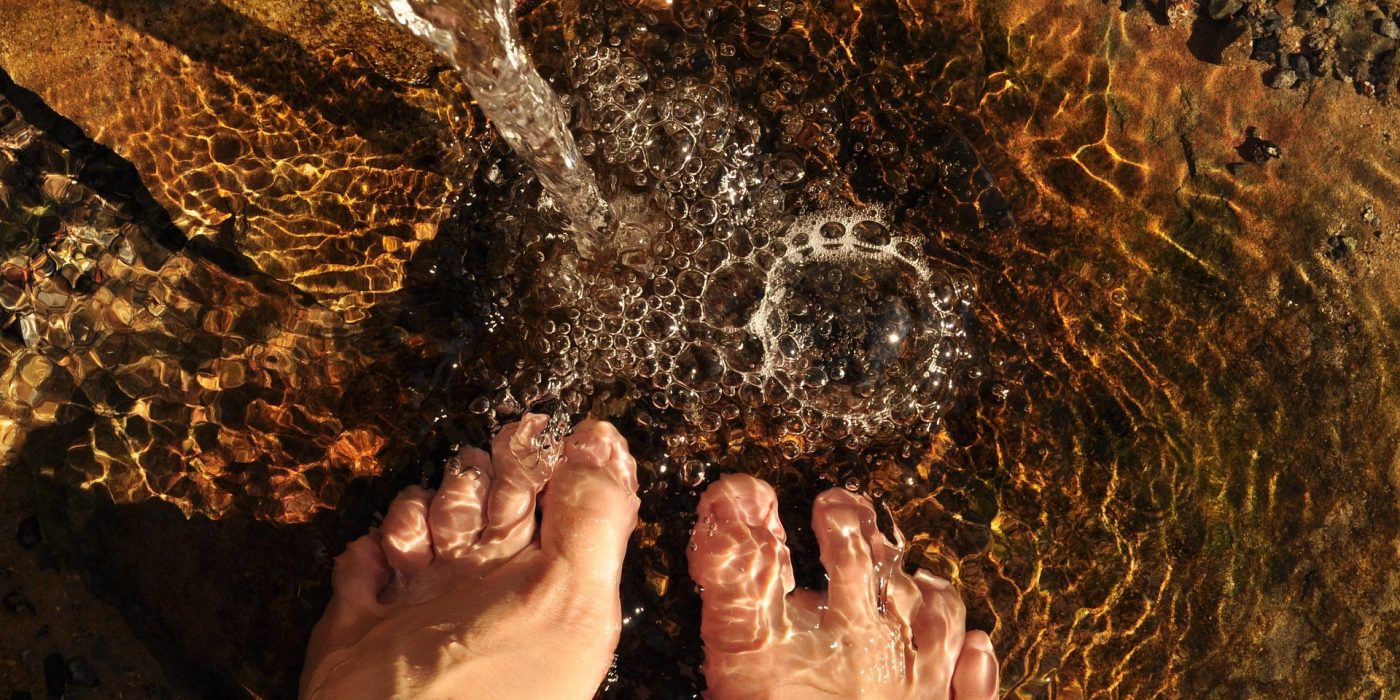
If you scroll through social media today, you would think cold plunges and infrared saunas were invented yesterday. But the history of hydrotherapy tells a completely different story…It is all ice baths for the gram, extreme sport performative health, and the relentless pursuit of optimizing every second of the day.
Look, I love a good wellness trend, but let’s get one thing straight: this isn’t new.
Hydrotherapy isn’t a modern biohacking fad. It is a historical nature cure method that sits at the absolute cornerstone of naturopathic medicine. Long before wellness influencers made freezing water look like an extreme sport, it was a way of life rooted in European history.
What is Hydrotherapy? The Origins of the Water Cure
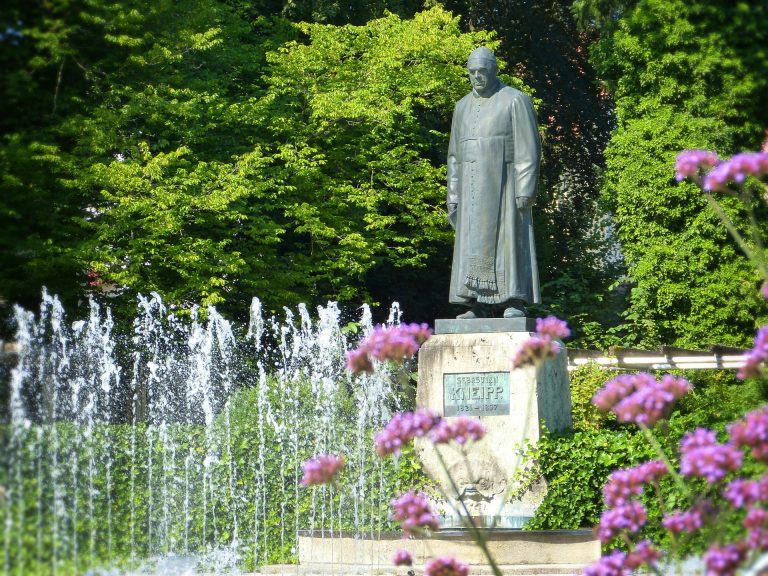
Sebastian Kneipp was a Bavarian Catholic priest in the 1800s who used water cures (hydro meaning water, cure meaning therapy) to treat chronic illness. His story began with his own life-threatening battle with tuberculosis during a time when a diagnosis like that was essentially a death sentence. Desperate for relief, he stumbled upon a small, forgotten book on water cures and the therapeutic use of cold water.
It saved his life.
Kneipp came to believe that specific timings and temperatures of water exposure stimulated the body’s innate, natural healing abilities. Over time, he expanded his healing framework far beyond just water, incorporating botanical medicine, mindful movement, nutritional healing, and spiritual, mental, and emotional balance into what he called Nature Cure.
In Germany, this legacy is woven into the very fabric of daily life. Certain historic bath towns feature bathhouses and public water installations right in the hallways of hotels or public parks where anyone can drop in for a “dew-tread” or walk barefoot in watering baths. You will literally see 60-year-old locals stepping out into the cold, wet dewy grass first thing in the morning. Modern clinical evaluations confirm what Kneipp observed centuries ago, showing that specific timings and temperatures of water exposure stimulated the body’s innate, natural healing abilities.
Hydrotherapy isn’t a modern biohacking fad. Understanding the history of hydrotherapy reveals that it is actually a time-honored nature cure method sitting at the absolute cornerstone of naturopathic medicine.
From Bavaria to America: The Roots of Naturopathic Medicine
Eventually, Kneipp’s teachings crossed the Atlantic. Benedict Lust, widely known as the Father of Naturopathy in the United States, studied under Kneipp, brought his teachings to America, and founded the American Kneipp Societies, which later evolved into the Naturopathic Society of America.
Here is why this matters: Naturopathic medicine isn’t just an older, crunchy term for ordering functional labs or swapping out pharmaceuticals for natural supplements. When viewed through an internal medicine lens, true naturopathic medicine is the art of stimulating the body’s own self-healing capabilities to clear disease and cultivate an internal environment where illness simply cannot survive.
One of the original ways naturopathic doctors practiced vitalism—the belief in the body’s inherent vital force—was through targeted hydrotherapy.
The Biohacking Miscalculation: Why More Isn’t Always Better
Today, the biohacking community has hyper-focused on the cold plunge and the sauna, completely missing the mark on what Kneipp actually understood.
Everyone has a unique physiological constitution and entirely different needs for support. But because modern culture operates under the assumption that “more is better,” the prevailing logic is that if a little is good, freezing your system, pushing harder, and enduring extreme discomfort must be better.
Jumping headfirst into near-freezing water just to shock your system isn’t necessary to wake up your healing capabilities. Kneipp’s approach was about intelligent, responsive application—not punishing your body into submission.
What are the Benefits of Hydrotherapy?
When used correctly, hydrotherapy acts as a masterclass in vascular and nervous system training, offering several key physiological benefits:
-
- Improving Circulation: Alternating temperatures cause blood and lymph vessels to actively constrict and dilate, effectively pumping oxygen, vital nutrients, and immune cells to the tissues while sweeping away cellular waste.
-
- Boosting the Immune System: A controlled, mild stress response activates and stimulates white blood cell activity without throwing the body into chronic fight-or-flight.
-
- Detoxification: By moving the lymphatic system and flushing stagnant fluids, water therapy helps restore systemic vitality.
-
- Targeted Pain Relief: Cold applications reduce inflammation by rapidly constricting blood vessels to alleviate acute swelling and pain. Warm applications relax muscles, soothe tension, and increase flexibility in stiff joints. Targeted water applications act as a powerful vascular stimulus, improving blood and lymph vessel circulation to relieve chronic sensory or neurological tension.
-
- Promoting Nervous System Relief: Hydrotherapy induces deep relaxation, shifts the body into a parasympathetic “rest and digest” state, reduces stress, and stimulates the release of endorphins to help you cope with daily pressures.
How to Practice Kneipp-Based Hydrotherapy at Home
You do not need a custom-built, luxury cold plunge tub to practice hydrotherapy. You can weave Kneipp-inspired water therapy directly into your everyday routine, just like those historic German bath towns encourage:
-
- The Contrast Shower: Start your morning shower warm, then switch to cold for 30 seconds at a time. Always end on cold. If you are new to this, gradually build your tolerance up from lukewarm over a few weeks.
-
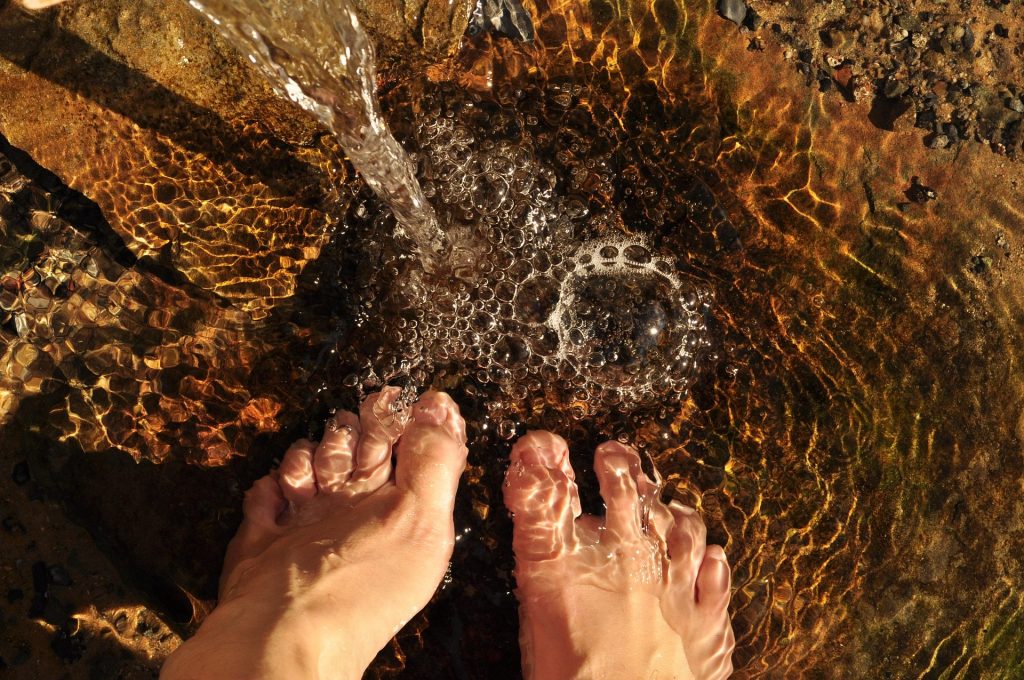
- Morning Dew-Treading: Walk barefoot in the early morning dew-covered grass or shallow water. It stimulates the reflexology points in the feet, provides gentle grounding, and the cold dew invigorates the entire body while reconnecting you to the earth.
-
- Therapeutic Herbal Baths: Soak for 20 minutes in a warm bath at the end of the day infused with botanicals like chamomile, lavender, rosemary, or thyme. This combines the muscle-relaxing benefits of warm water with the nervous-system-soothing properties of plant medicine.
-
- Spot-Treatment Hydrotherapy: Use alternating hot and cold compresses for localized support. Soak a wash towel in an ice-cold water basin and apply it briefly, then alternate it with a dry, warmed towel. Finish with a gentle friction-rub to stimulate the blood vessels to rush back to the surface of the skin until you see a healthy, warm flush (erythema). Clinical investigations into conservative therapies demonstrate that targeted cold lower-leg affusions and contrast treatments yield measurable improvements in daily symptom severity and sleep quality.
A Legacy That Endures
Kneipp’s profound impact didn’t die with him in Bavaria. Historically, his water cures were trusted by notable figures of the era, including Archduke Franz Ferdinand of Austria, Pope Leo XIII, and medical pioneers like Karl Ludwig.
Today, his legacy lives on quietly in European health spas, integrative medical spaces, and holistic and naturopathic clinics around the world. Comprehensive evaluations of traditional European medicine confirm that modern clinical frameworks continue to validate the physiological efficacy of Kneipp interventions. It is time we remember that true health isn’t about how much punishment your nervous system can take in a 3-minute ice bath. It is about working with your biology, honoring your constitution, and letting water do what it has done for centuries: restore your vitality.
Scientific References
-
Kubasch, J., et al. (2023). Hydrotherapy and acupressure in restless legs syndrome: A randomized, controlled, 3-armed, explorative clinical trial. Medicine. https://pubmed.ncbi.nlm.nih.gov/37390284/
-
Reisecker, N., et al. (2026). Systematic review of clinical evidence for Kneipp medicine. Wiener klinische Wochenschrift. https://link.springer.com/article/10.1007/s00508-026-02780-2
-
Ehnert, L., & Geiser, C. (2022). What is confirmed in Kneipp therapy? The perspective of internal medicine. Der Internist. https://pmc.ncbi.nlm.nih.gov/articles/PMC9645348/
-
Ortiz, M., et al. (2023). Hydrotherapy and acupressure for restless legs syndrome: results of a qualitative part of a randomized controlled exploratory study. BMJ Open. https://bmjopen.bmj.com/content/bmjopen/13/7/e070951.full.pdf
About the Author

Dr. Shannon Bennett
Dr. Shannon Bennett is a Naturopathic Physician (NMD) and the founder of The Healthy Psyche, an online clinical practice dedicated to optimizing nervous system resilience and hormonal health. With a focus on root-cause investigation, Dr. Bennett helps patients navigate complex neuroinflammation and endocrine imbalances through functional testing and a holistic, data-driven approach. She is committed to advancing clinical care standards for those seeking to break free from chronic burnout and hormonal anxiety.